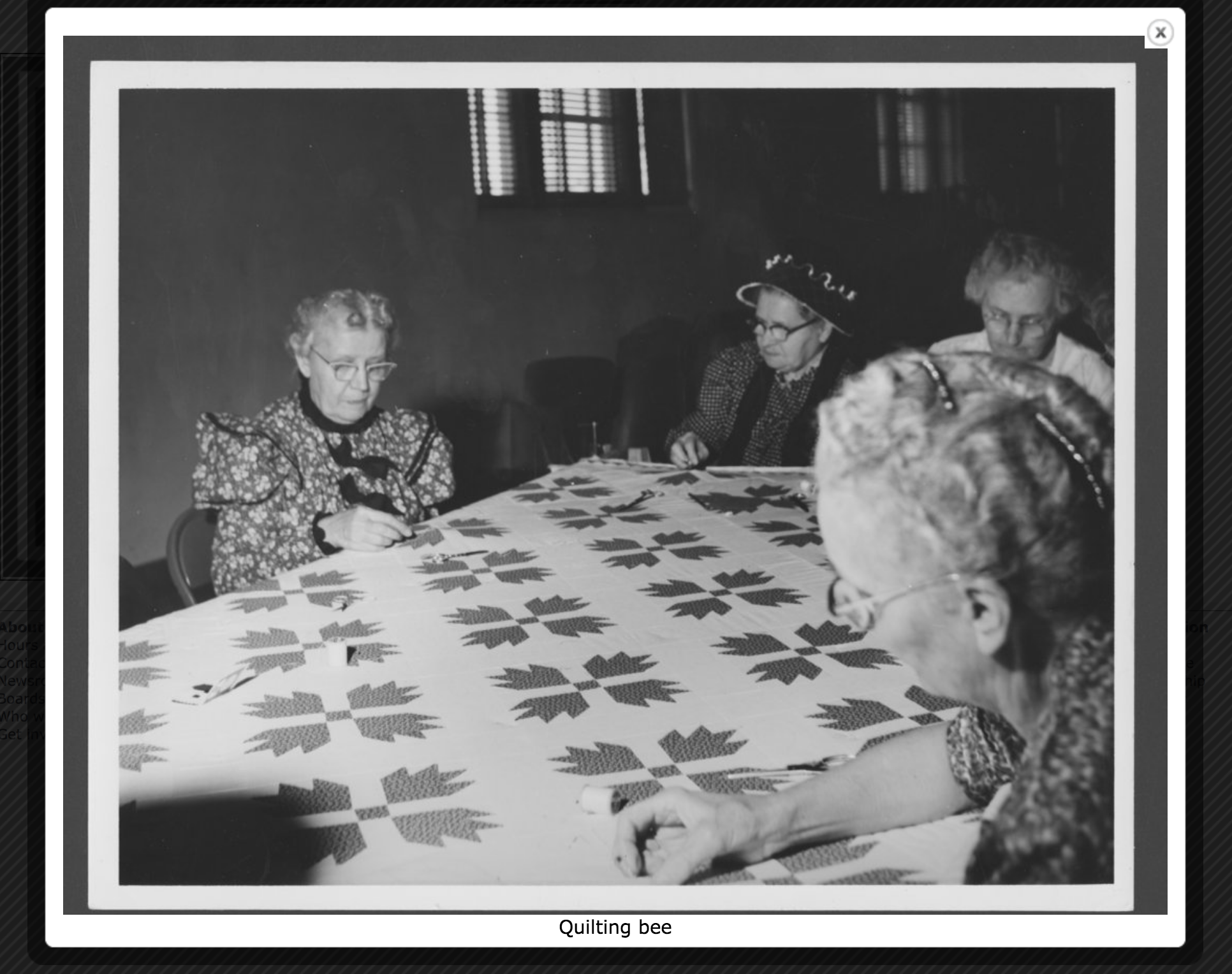
In Episode 10, Eula dreams of going back to the farm, Dorothy worries about about her family, and a reformed Emmeline auditions her latest quilting column with the Bee.
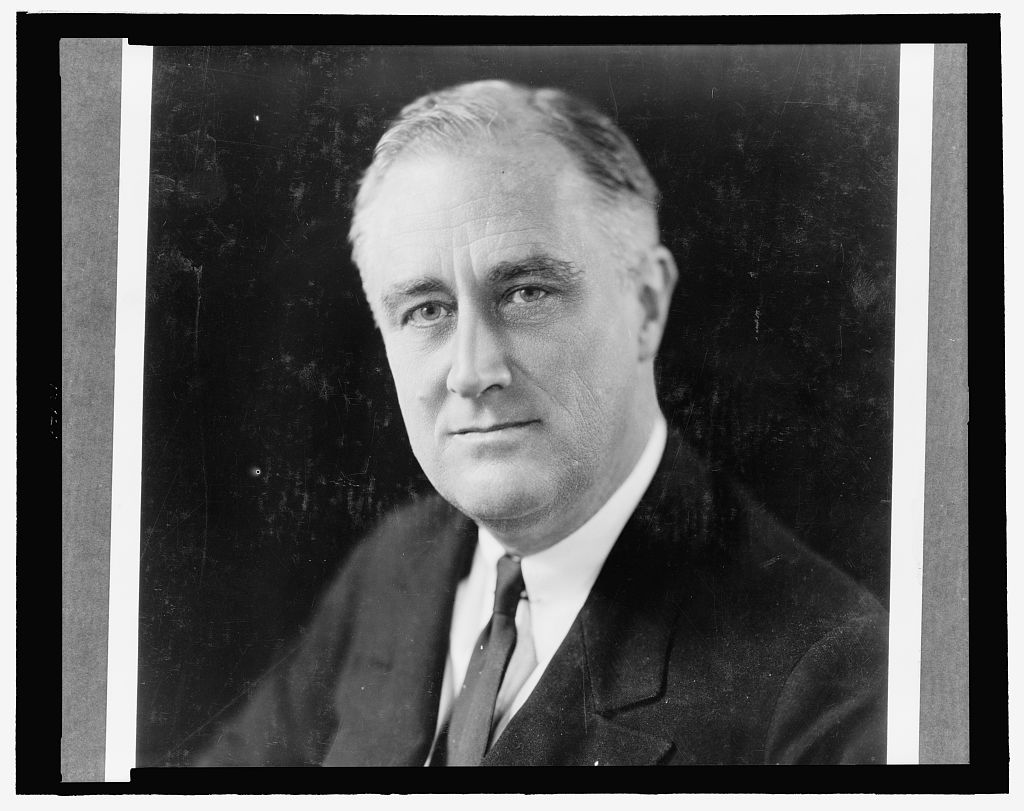
Franklin Delano Roosevelt
This episode begins in mid-March, just two weeks after Franklin D. Roosevelt was inaugurated as the 32nd president of the United States. FDR had campaigned on the promise of what he called “a new deal for the American people,” and he began implementing plans for the New Deal almost immediately upon assuming office.
One of the programs that would prove most helpful to working women was the Emergency Nursery Schools (ENS) program, which opened preschool centers for children of all classes and in particular children of the unemployed and those who worked for the WPA (which began in 1935). The ENS schools weren’t meant to be childcare centers; they were meant to be real schools. One of the reasons the program was so successful was a new interest in early childhood education by teachers and parents.
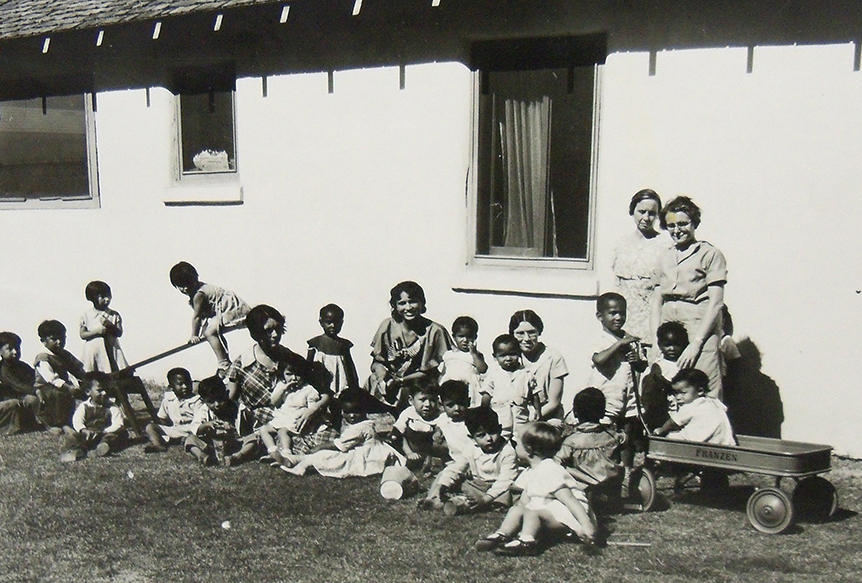
A nursery school in Riverside, California, operated by the Federal Emergency Relief Administration in 1934. (The National Archives)
As we move onto part two of Friendship Album, 1933, work and money are becoming a central preoccupation for all the women. Emmeline and Florence are both wealthy; for them, work is about putting their energy into projects that make use of their talents and, quite frankly, give them something to do. As Eula watches young Maisie blossom, she grows even more eager to save enough money to move back to the country–a farm is a perfect place for a child to grow up, in Eula’s opinion.
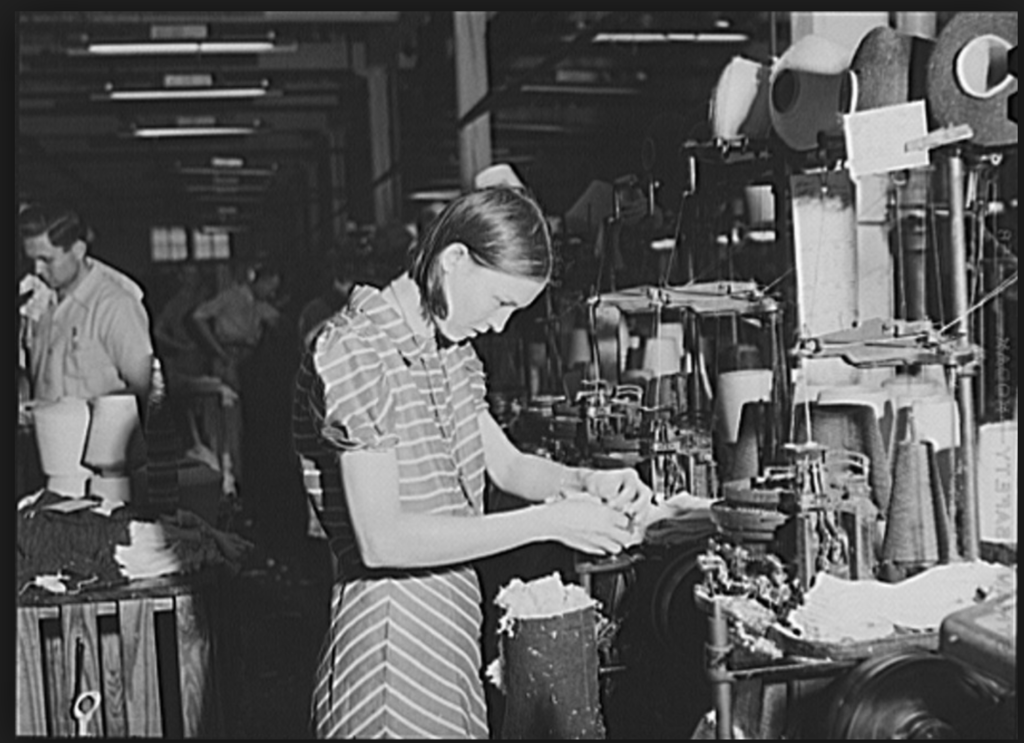
Women working, 1930s
Dorothy has always worked; her main concern right now is her daughter, Hannah, who’s considering a move to Chicago. In Episode 10, we learn more about the Hannah-Jasper situation (just what was in Jasper’s letter? You’re about to find out!). One of the issues that Hannah must contend with is childcare, something that’s much more accessible to today’s working mom than women who went to work in 1933.
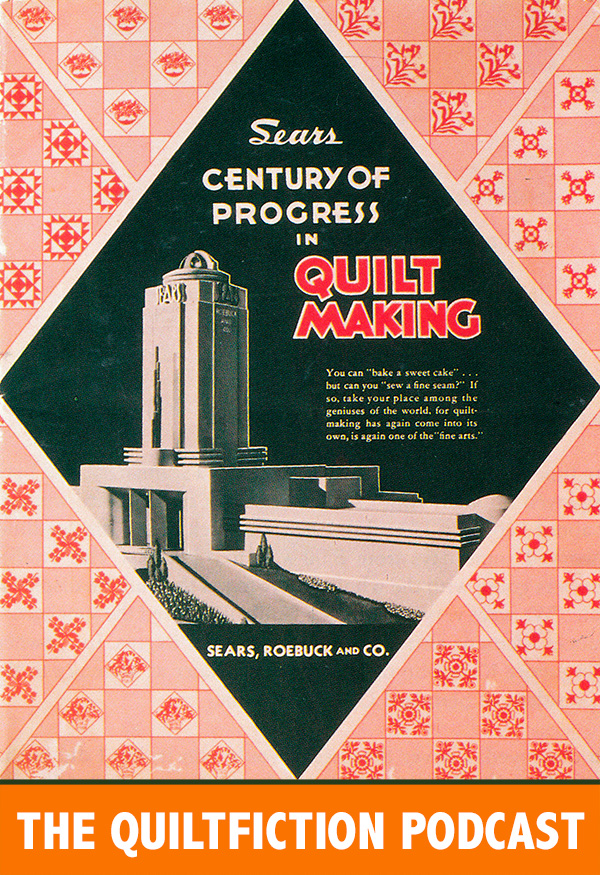
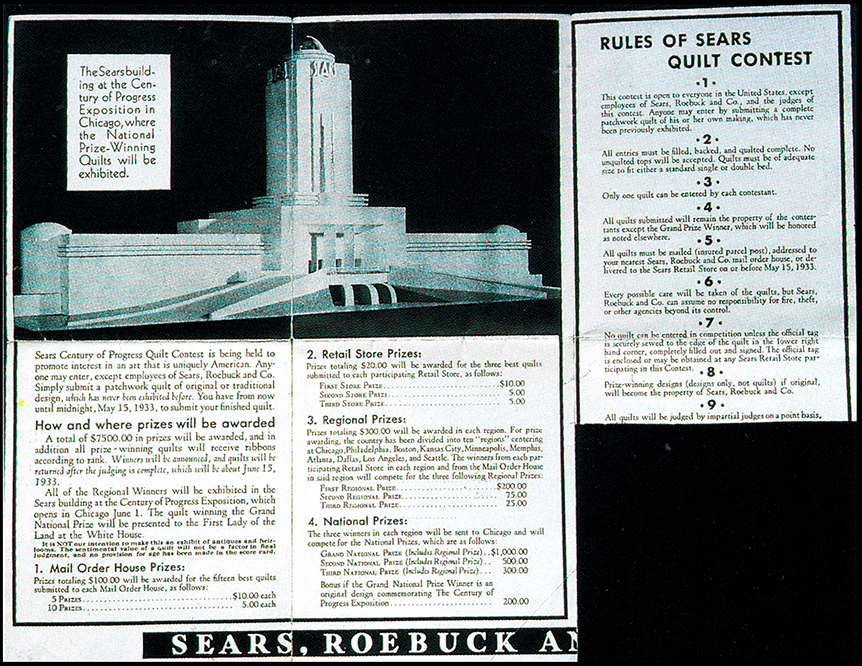
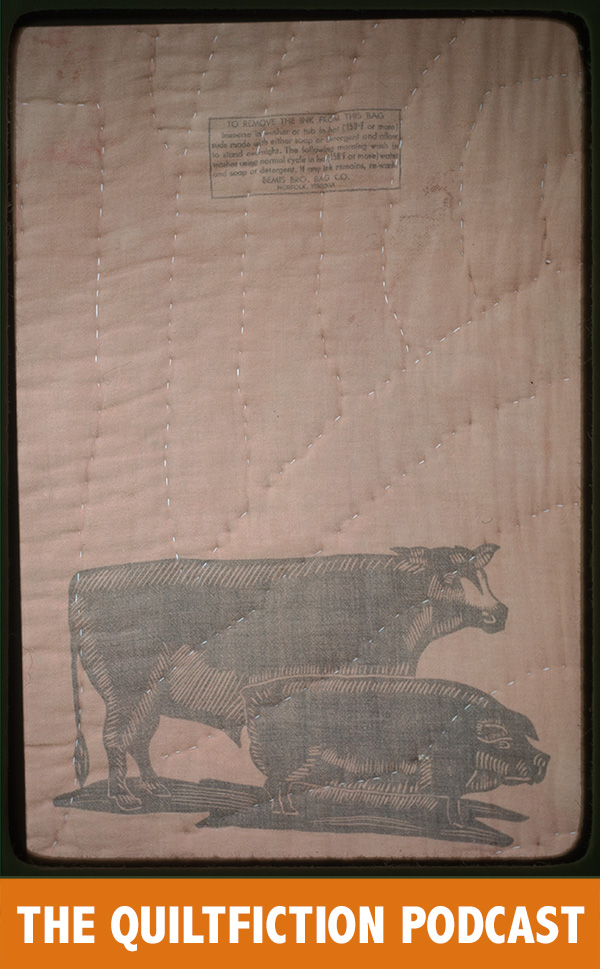
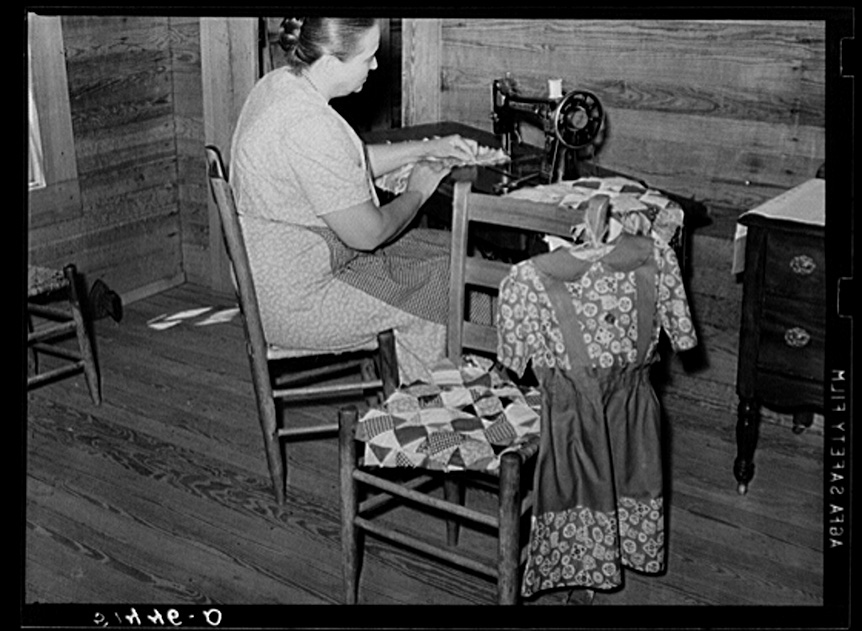
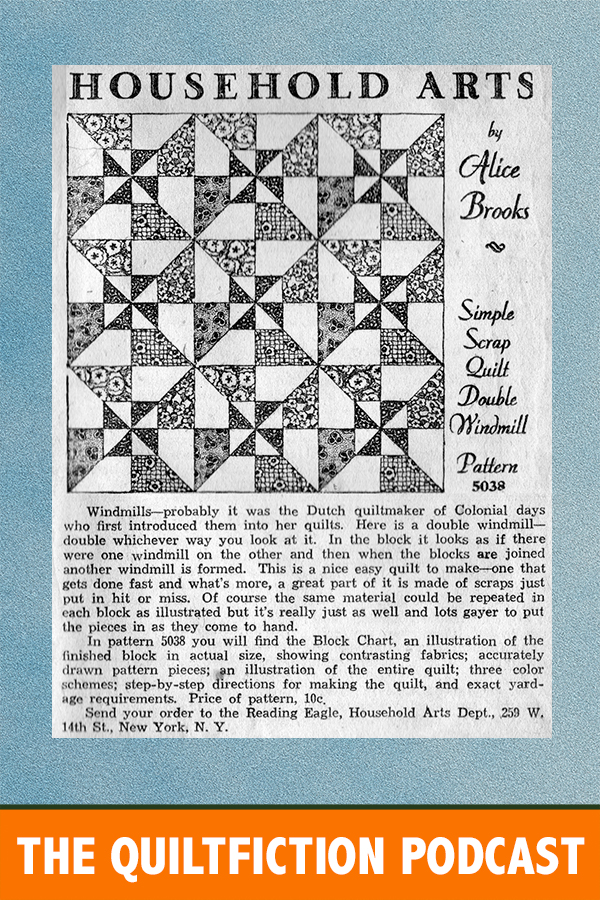
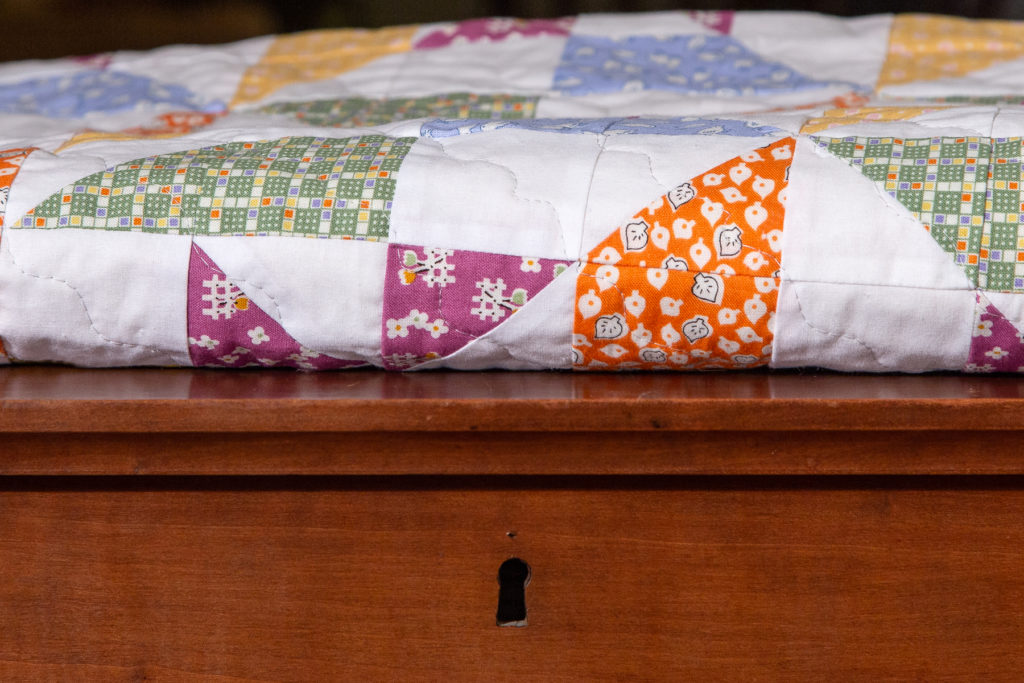
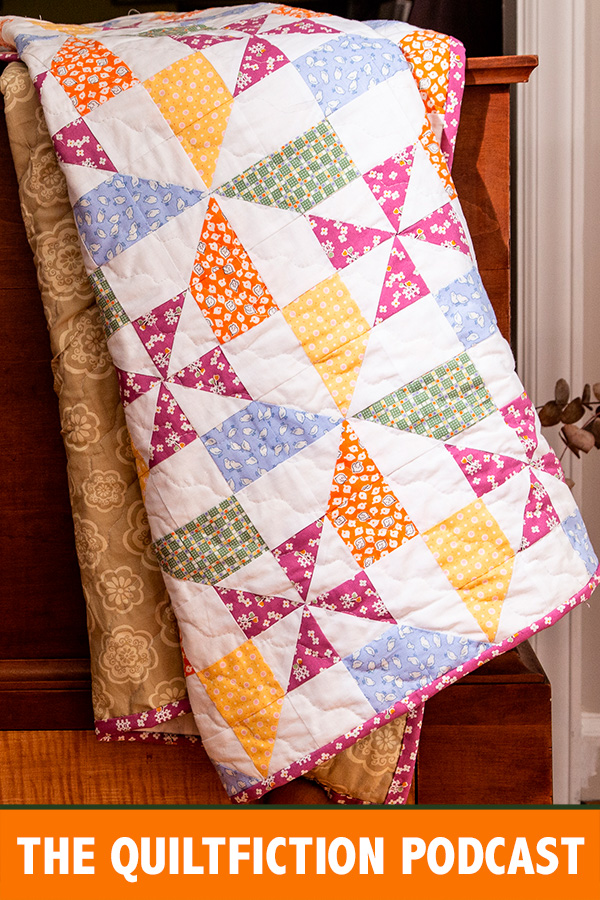
As for quilts, we learn about braided borders in this episode, and get what I believe is our first mention of feedsack quilts. I love a good feedsack quilt myself, but wonder how many of the quilts entered into the Sears Contest were made from them. Not many, I’d wager, but I’ll have to go look it up!
See you next week!






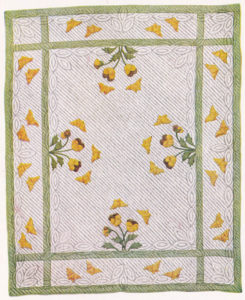
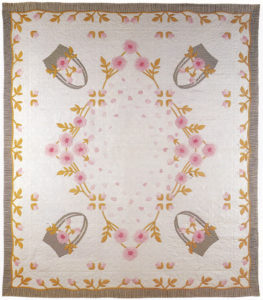
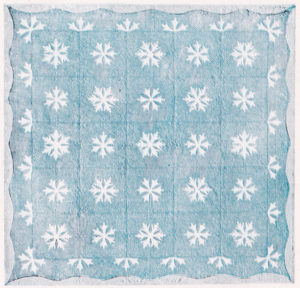
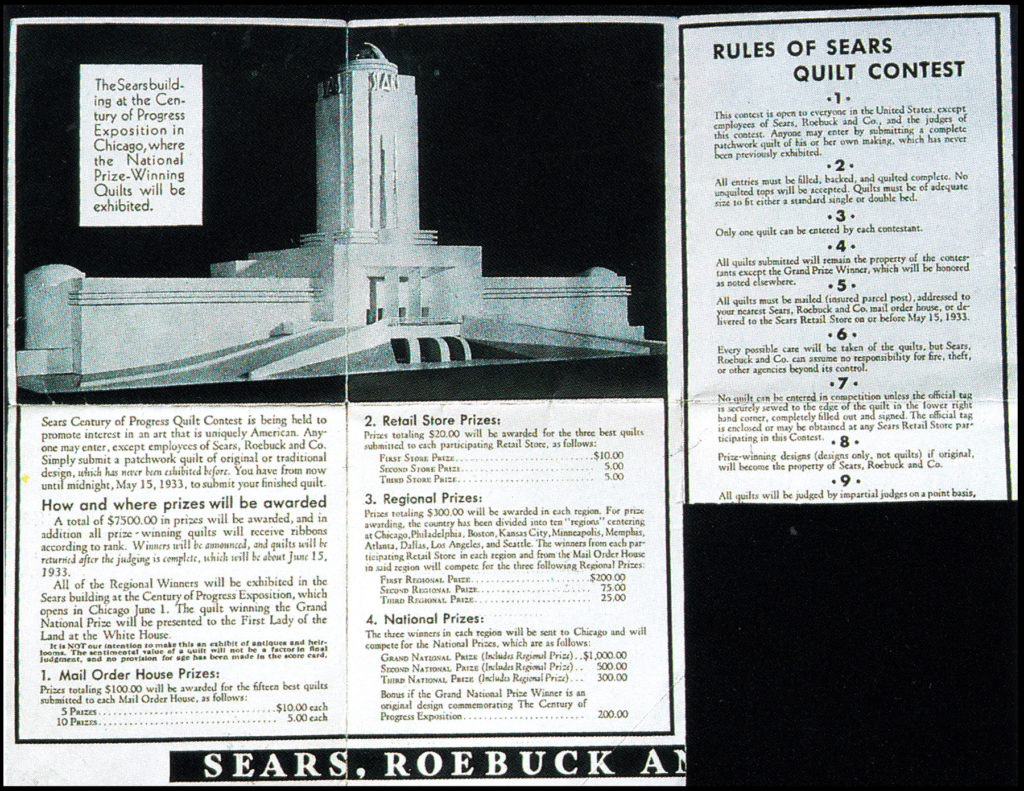


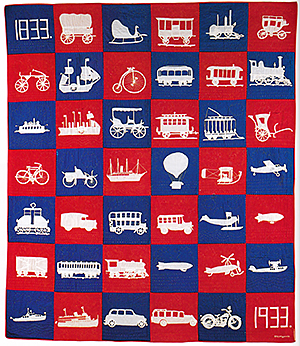
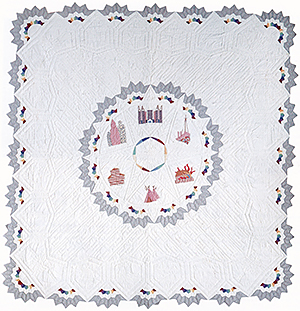


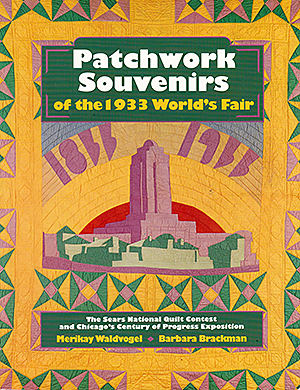 As I mentioned in an earlier post, the definitive history of the Sears Contest was written by Merikay Waldvogel and Barbara Brackman, in